
Complete Guide to Cambodia’s Most Sacred Buddhist Celebration – Dates, Etiquette, Pagodas & Spiritual Experience
Discover one of Cambodia’s most meaningful festivals – Pchum Ben 2026. This comprehensive guide explains the spiritual significance of Cambodia’s ancestors’ festival, how to respectfully experience it in Kampot’s charming pagodas, and how to make this sacred observance part of your Southeast Asian journey. Perfect for travelers staying at Ha Tien Vegas seeking authentic cultural immersion across the border.
PCHUM BEN 2026: ESSENTIAL DATES & PLANNING INFORMATION
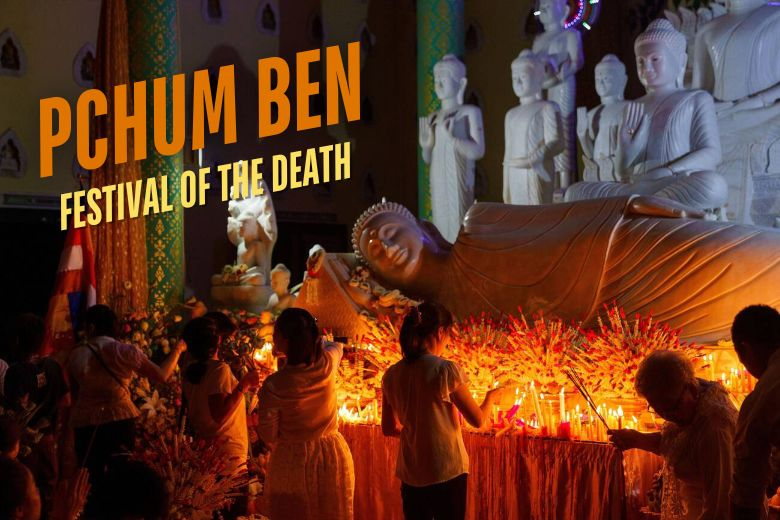
Public Holiday Dates (Official Three-Day Break):
- 10-12 October 2026 – Government-recognized public holidays
- Reserve important journeys ahead during these dates
- Major border crossings busier than usual
- Hotels, restaurants may have modified hours
Religious Observance Dates (Full Festival):
- 27 September – 11 October 2026 – Complete fifteen-day religious period
- Kan Ben (first 14 days): 27 September – 10 October
- Pchum Ben Day (final gathering): 11 October
Planning Importance:
✅ Festival follows Khmer lunar calendar (dates change yearly)
✅ Do NOT use old blog dates – 2026 dates are different
✅ Confirm specific pagoda schedules upon arrival
✅ No single citywide visitor timetable exists
✅ Each pagoda maintains its own ceremony times
Why These Dates Matter:
The Khmer lunar calendar determines festival timing. Unlike Western holidays with fixed dates, Pchum Ben 2026 falls in October, but future years will differ. Research current-year dates before planning your trip.
WHAT IS PCHUM BEN? UNDERSTANDING CAMBODIA’S ANCESTORS’ FESTIVAL
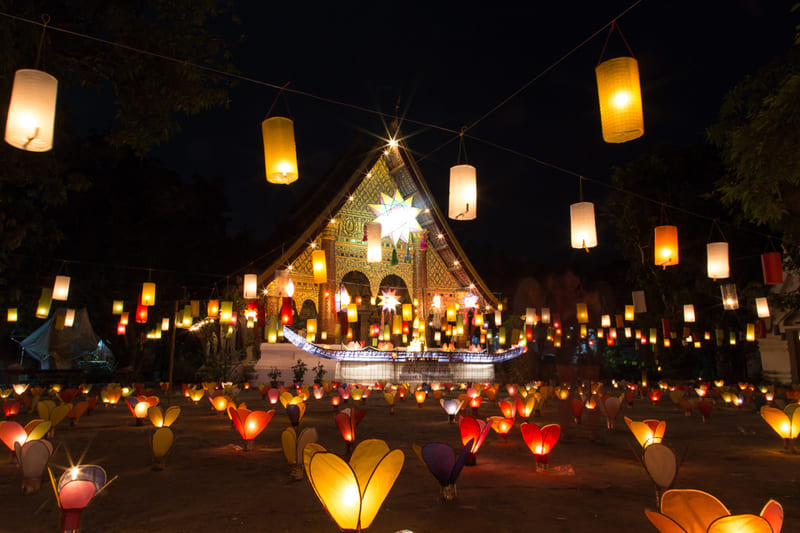
Core Spiritual Purpose:
Pchum Ben is Cambodia’s most sacred Buddhist festival – a fifteen-day period when families honor relatives who have passed away. The observance centers on:
✅ Merit Making – Dedicating spiritual merit to deceased family members
✅ Food Offerings – Providing sustenance to monks, who dedicate merit on behalf of the dead
✅ Family Gathering – Multigenerational reunion and remembrance
✅ Spiritual Cleansing – Relief for suffering spirits, particularly those without living relatives
Khmer Buddhist Beliefs:
In Khmer Buddhism, offerings and merit-making can ease the suffering of deceased ancestors. These are living spiritual beliefs with personal interpretations and practices – approached with genuine curiosity rather than as cultural entertainment.
Historical & Emotional Significance:
Pchum Ben holds particular weight in Cambodia’s modern history. Families experienced devastating losses during the Khmer Rouge period (1975-1979). This festival serves not only as spiritual observance but as a powerful collective healing and remembrance for a nation that endured mass loss.
Visitors need not know someone’s family history to respect the profound importance of this occasion.
Kan Ben & Pchum Ben Distinction:
Kan Ben (First 14 Days):
- 27 September – 10 October 2026
- Communities take turns supporting their local pagodas
- Families present offerings & make merit
- Gradual building of spiritual energy
- Preparation for final day
Pchum Ben (Final Day):
- 11 October 2026
- Culminating gathering
- Most significant spiritual moment
- Largest family congregations at pagodas
- Peak festival atmosphere
UNDERSTANDING THE PRACTICE: PRETA & HUNGRY SPIRITS
Traditional Belief Context:
In Khmer Buddhist cosmology, preta (hungry spirits) represent deceased beings who lack living relatives to make merit on their behalf. Pchum Ben offerings provide spiritual sustenance and merit-making opportunity for these souls.
Important Perspective:
These are not ghost stories meant for entertainment. They represent genuine spiritual and religious beliefs held by millions of Cambodians. Understanding preta helps contextualize why Pchum Ben matters deeply to Cambodian families.
Modern Observation:
Contemporary Cambodians interpret these concepts with varying degrees of literalism. Some focus on spiritual merit, others on family responsibility and ancestral respect. All interpretations share the core value: honoring the dead and ensuring family continuity across generations.
KAMPOT: THE IDEAL LOCATION TO EXPERIENCE PCHUM BEN
Why Kampot for Pchum Ben?
Kampot offers several advantages for experiencing authentic Pchum Ben:
✅ Smaller Town Authenticity – More intimate family-centered celebrations than large cities
✅ Accessible Pagodas – Multiple active Buddhist temples welcoming respectful visitors
✅ French Colonial Setting – Historic pagodas with centuries of tradition
✅ Local Community – Genuine family-focused observance vs. tourist-oriented celebration
✅ Quiet Atmosphere – Peaceful contemplation alongside meaningful gathering
✅ Strategic Location – Just 25km from Ha Tien border crossing
Kampot Overview:
Population: ~30,000
Architecture: Charming French colonial riverside town
Character: Sleepy, picturesque, authentic
Buddhist Community: Strong tradition, welcoming to respectful visitors
WHAT YOU WILL SEE AT A KAMPOT PAGODA DURING PCHUM BEN
Visual Experience:
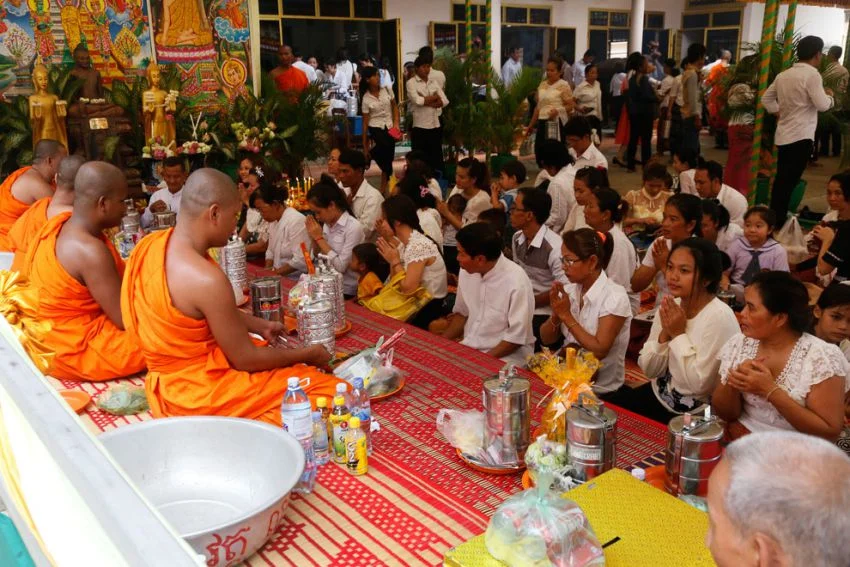
Food & Offerings:
- Containers filled with fresh cooked rice, curries, vegetables
- Arranged beautifully on offering tables
- Fresh fruits: mangoes, bananas, papayas
- Sticky rice parcels wrapped in banana leaves (num ansom)
- Sweet cakes and desserts
- Beverages: water, coconut juice, tea
Family Gathering:
- Multiple generations sitting together
- Children playing respectfully in temple grounds
- Elders offering guidance and teaching
- Quiet conversations about family memories
- Shared meals among family groups
- Photographs capturing family moments
Spiritual Activities:
- Monks chanting Buddhist prayers
- Families presenting food to monks
- Incense smoke rising in temple halls
- Prayers and meditations
- Walking meditation around stupas
- Individual private moments of remembrance
Festival Atmosphere:
- Decorated temple grounds
- Flowers and colorful decorations
- Small merit flags in trees
- Respectful quietness despite crowds
- Sacred energy permeating the space
Morning Ceremonies (Most Accessible):
For first-time visitors, morning ceremonies after sunrise are ideal:
- Easier navigation of temple grounds
- Better lighting for understanding layout
- Clear guidance available from monks & volunteers
- Ample seating for observers
- Less crowded than predawn rituals
- Natural rhythm of daybreak gathering
DISTINCTIVE PRACTICES TO OBSERVE
Bay Ben – Predawn Rice Offerings:
Bay Ben represents one of Pchum Ben’s most distinctive practices – small rice offerings for the departed made before dawn.
Important Notes:
- Timing varies by pagoda (predawn, typically 3-5 AM)
- Different communities practice at different times
- Not all Kampot pagodas observe predawn bay ben
- Should NEVER arrive at 4 AM expecting an open ceremony
For Visitors Interested in Bay Ben:
- Arrange with specific pagoda in advance
- Communicate directly with monks or temple leaders
- Confirm you’re welcome to observe
- Arrange reliable transportation beforehand
- Expect to start journey by 3-3:30 AM
- Bring appropriate clothing (temple etiquette)
Alternative Approach:
Most visitors should request information about morning gatherings after daybreak. This provides authentic experience without disrupting important family ceremonies.
Num Ansom – Sticky Rice Cakes:
Num ansom holds both spiritual and cultural significance during Pchum Ben.
What They Are:
- Sticky rice parcels wrapped in banana leaves
- Traditional Khmer cake prepared for festival
- Fillings vary: banana, pork & beans, coconut, date
- Made fresh by families in days before festival
- Considered food offering & family sustenance
Significance:
Families gather to make num ansom together – the preparation itself is a family bonding experience. Grandmothers teach grandchildren. Stories are shared. Ancestors are remembered while creating these cakes.
For Visitors:
- Ask vendors at pagodas what filling types are available
- Never assume food set as offering is a tasting display
- Respect that offerings are spiritual, not commercial
- Purchase cakes from vendors if you wish to try
- Understand that food preparation is family practice
HOW TO EXPERIENCE PCHUM BEN RESPECTFULLY IN KAMPOT
Finding the Right Pagoda
Primary Kampot Pagodas:
Wat Banteay Chhmar (Main Temple):
- Central Kampot location
- Active Pchum Ben observance
- Welcoming to respectful visitors
- Multiple ceremonies during festival
- Accessible transportation
- Strong community presence
Wat Phnom Sampeou (Hilltop Temple):
- Historic hilltop location
- Spiritual energy & scenic views
- Family gatherings
- Caves with religious significance
- Moderate hike required
- Spectacular Pchum Ben atmosphere
Wat Kbal Spean (Riverside):
- Peaceful riverside setting
- Community-focused observance
- Authentic local participation
- Natural beauty combined with spirituality
- Accessible location
Approach:
- Ask hotel (Ha Tien Vegas) for current Pchum Ben schedule
- Contact pagodas directly for ceremony times
- Inquire about visitor welcome specifically
- Confirm transportation arrangements
- Ask about appropriate dress & behavior
- Determine if dawn ceremony or later gathering preferred
Timing Your Visit
Optimal Visiting Windows:
Early Morning (After Daybreak):
- 6:00-8:00 AM: Most accessible for visitors
- Main morning ceremonies underway
- Daylight visibility excellent
- Easier navigation of grounds
- Less crowded than peak hours
- Respectful observation possible
- Transport readily available
Mid-Morning:
- 8:00-11:00 AM: Secondary ideal time
- Peak family gatherings often underway
- Authentic atmosphere without rush
- Food offerings still fresh
- Monks available for questions
- Good photography light
- Still respectful timing
Midday & Afternoon:
- 11:00 AM-3:00 PM: Less ideal
- Families often complete morning offerings
- Heat becomes uncomfortable
- Crowds decrease
- Still respectful if visiting quietly
Predawn (By Special Arrangement Only):
- 3:00-5:00 AM: Bay Ben rice offerings
- Only if specifically invited/confirmed
- Requires transportation arranged
- Respectful presence essential
- Most authentic for committed observers
Avoid:
- Dusk/evening (temple closing times)
- Disrupting family private moments
- Arriving without purpose
- Extended stay without clear reason
RESPECTFUL VISITING ETIQUETTE
Dress Code (Critical!)
Appropriate Clothing:
✅ Tops: Covered shoulders (no sleeveless shirts, tank tops)
✅ Bottoms: Knee-length minimum (pants or long skirts/dresses)
✅ Footwear: Remove shoes before entering temple halls
✅ Colors: Conservative – avoid bright red, black (funeral color), revealing designs
✅ Overall: Modest, respectful appearance demonstrating cultural awareness
Why Dress Matters:
Buddhist temples and family ceremonies require respect. Modest dress shows you understand the spiritual significance and honor the occasion.
Behavior Standards
In Temple Halls:
✅ Walk slowly, speak quietly
✅ Sit respectfully (knees below heart level)
✅ Never touch or pass over offerings
✅ Do not step over family members
✅ Avoid pointing at people or objects
✅ Request permission before photographing
✅ Bow or press palms together as greeting
✅ Follow family positioning (usually back areas for visitors)
Around Family Groups:
✅ Give families space for private moments
✅ Don’t intrude on personal rituals
✅ Observe quietly, don’t interrupt
✅ Smile respectfully if acknowledged
✅ Accept any guidance family members offer
Photography Etiquette:
✅ ALWAYS ask permission before photographing
✅ Respect immediately if declined
✅ Never photograph offerings or private moments
✅ Avoid photographing individuals’ spiritual practices
✅ Be especially careful photographing children
✅ Offer to share photos if appropriate
Conversation:
✅ Speak quietly in temple spaces
✅ Answer questions Cambodians ask about your country
✅ Share genuine interest in their traditions
✅ Learn a few Khmer phrases (respectful)
✅ Avoid treating ceremony as performance
✅ Never laugh, joke or be frivolous
Physical Respect
Critical Do’s & Don’ts:
DO:
- Remove shoes before entering temple halls
- Sit on legs (not pointing feet toward Buddha)
- Keep head lower than Buddha statues
- Accept blessings from monks
- Receive water/food respectfully (with both hands)
- Stand to greet monks
DON’T:
- Point feet at people or religious objects
- Touch monks (women especially)
- Step over offerings or people
- Stand with hands on hips
- Show affection to others in temple
- Ignore requests from monks/family leaders
- Treat temple as photo backdrop
Spiritual Respect
Understanding Sacred Space:
- Temples are not museums – they’re active spiritual centers
- Pchum Ben is not performance art – it’s genuine grief & remembrance
- Your presence is guest, not spectator
- Families may be experiencing genuine emotional moments
- Cambodia’s history of loss makes this particularly important
Approach:
- Observe with genuine respect and curiosity
- Acknowledge the spiritual significance
- Remember families are honoring deceased loved ones
- Consider this sacred time in Cambodia’s history
PRACTICAL TRAVEL INFORMATION FOR PCHUM BEN IN KAMPOT
Getting to Kampot from Ha Tien Vegas
From Ha Tien (Vietnam):
- Distance: ~75 km
- Travel time: 1.5-2 hours
- Via Xa Xia-Ha Tien border crossing
- Border crossing procedures: 30-45 minutes
Transportation Options:
- Tuktuk: Easiest, reasonable
- Taxi: Professional driver, reliable
- Motorbike Rental: Flexible, adventurous (experienced riders only)
- Hotel Arrangement: Ha Tien Vegas can coordinate
Recommended Approach:
Arrange transportation through Ha Tien Vegas staff. They can:
- Confirm pagoda welcome & schedule
- Arrange reliable driver
- Provide cultural briefing
- Ensure proper timing
- Handle language coordination
Accommodation During Pchum Ben
Stay at Ha Tien Vegas:
- Comfortable resort base
- Professional coordination services
- Reliable return transportation
- Quality meals after temple visit
- Spa relaxation if needed
- Strategic location for Kampot visits
Kampot Accommodation (Optional):
- Stay near pagoda for multiple-day immersion
- Experience Pchum Ben at slower pace
- Engage with local community
- Multiple ceremony attendance possible
- Budget hotels available ($15-30/night)
- Mid-range options available ($30-60/night)
What to Bring
Essential Items:
- Modest clothing (long pants/skirts, covered shoulders)
- Removable shoes/sandals
- Cash (small bills for transportation, optional donations)
- Water bottle (stay hydrated)
- Sunscreen & hat (daytime visits)
- Camera (with respectful usage intention)
- Small notebook (if interested in learning more)
- Insect repellent (pagodas often near trees)
NOT to Bring:
- Revealing or bright clothing
- Alcohol or intoxicants
- Loud recorded music
- Casual attitude toward sacred space
- Disrespectful demeanor
Financial Considerations
Costs:
| Item | Cost | Notes |
|---|---|---|
| Transportation (round trip) | $30-50 | Taxi/arranged transport |
| Meal in Kampot | $5-10 | Local restaurant |
| Donations (optional) | $5-20 | Respectful contribution |
| Photography | Free | If respectful |
| Total Daily Cost | $40-80 | Variable based on choices |
Donations:
- Completely optional
- Small amounts ($2-5) appropriate
- Support pagoda maintenance
- Never obligatory
- Cash only in most temples
COMMON QUESTIONS VISITORS ASK ABOUT PCHUM BEN
Q: Is Pchum Ben open to foreign visitors?
A: Yes, but as respectful guests, not tourists. Clear understanding of spiritual significance and proper etiquette is essential. Arrive with genuine interest in understanding, not entertainment-seeking.
Q: Can I eat food from the offerings?
A: Never take food set as offering. These are spiritual gifts to monks for deceased relatives. If interested in num ansom or festival foods, purchase from vendors. Families often enjoy sharing food with respectful visitors after ceremonies.
Q: Will I understand the Khmer language chanting?
A: No, but understanding isn’t necessary. The spiritual energy is felt, not intellectually understood. Observe respectfully, feel the emotional weight, appreciate the cultural significance.
Q: Is photography allowed?
A: Always ask first. Many families welcome photographs for memories; others prefer private moments. Respect immediate refusal. Never photograph offerings or deeply personal moments.
Q: What if I’m not Buddhist?
A: Religion doesn’t matter. Respect for spiritual practices does. Visitors of all faiths have observed Pchum Ben respectfully. Approach with genuine interest in understanding, not judgment.
Q: How long should I stay at a pagoda?
A: 30-60 minutes for first visit. Attend ceremony, observe family gathering, leave respectfully. Longer stays only if specifically welcomed. Quality over quantity.
Q: Can children attend?
A: Yes, children are integral to Pchum Ben. Bring children if you have them; they’re welcome. Teach them respectful behavior. Other families will appreciate this.
Q: What if I accidentally disrespect something?
A: If you make an honest mistake, apologize sincerely. Cambodians generally appreciate genuine attempts at respect, even if imperfect. Acknowledge the error and move forward respectfully.
Q: Can I bring friends from other countries?
A: Yes. Ensure they understand dress code, behavior standards, and spiritual significance beforehand. Prepare them for emotional weight of the occasion. Group responsibility for respectful presence.
Q: Is Pchum Ben only for Buddhists?
A: No. Pchum Ben is a Khmer cultural observance with Buddhist spiritual framework. Non-Buddhists can participate respectfully as guests in family/community gatherings. Spiritual beliefs aren’t prerequisite for cultural participation.
MAKING THE MOST OF YOUR PCHUM BEN EXPERIENCE
Before Visiting
- Learn Basic History – Understand Cambodia’s recent past and loss
- Study Khmer Buddhism – Basic concepts of merit-making, respect for ancestors
- Learn Phrases – “Suos’day” (hello), “Orkun” (thank you), “Champ” (very good)
- Arrange Transportation – Confirm with Ha Tien Vegas staff
- Plan Timing – Decide on dawn or later morning visit
- Prepare Emotionally – Recognize this is genuine remembrance, not entertainment
During Your Visit
- Arrive Early – Be settled before ceremonies begin
- Observe Quietly – Watch, listen, absorb atmosphere
- Notice Details – Incense, flowers, family interactions, emotional moments
- Accept Guidance – Follow monk or family member direction
- Be Patient – Don’t rush through ceremony
- Feel the Moment – Allow emotional/spiritual resonance
- Ask Questions – Monks often welcome respectful inquiry after ceremony
After Your Visit
- Reflect – Think about what you witnessed, learned, felt
- Share Respectfully – Tell others about experience with appropriate context
- Support Buddhism – If moved, consider donation to pagoda
- Continue Learning – Research Cambodian history, Buddhism more deeply
- Maintain Perspective – Recognize the privilege of witnessing sacred practice
PCHUM BEN’S BROADER SIGNIFICANCE
For Cambodia:
Pchum Ben represents collective healing, family continuity, and spiritual renewal. Following national trauma, the festival takes on particular emotional weight – a moment when Cambodians collectively remember those lost and recommit to family bonds.
For Visitors:
Witnessing Pchum Ben offers deep insight into Khmer culture, Buddhism, and Cambodian values. It demonstrates that travel’s greatest gifts are understanding, connection, and respect for traditions beyond our own.
Shared Humanity:
All cultures honor their dead. All families experience loss. Pchum Ben reminds us that beneath cultural differences, human emotions – love, grief, remembrance – are universal. This shared experience creates bridges across cultures.
PRACTICAL CHECKLIST FOR PCHUM BEN IN KAMPOT
Before Departure:
☐ Check current Pchum Ben dates (October 10-12, 2026 – public holiday dates)
☐ Contact Ha Tien Vegas to arrange transportation
☐ Research specific Kampot pagodas’ schedules
☐ Confirm pagoda welcome of respectful visitors
☐ Purchase modest clothing if needed
☐ Learn basic Khmer phrases
☐ Understand Cambodia’s recent history
☐ Prepare emotionally for sacred experience
Day of Visit:
☐ Wear modest clothing (covered shoulders, knee-length bottoms)
☐ Pack water, sunscreen, camera
☐ Carry small cash for donations
☐ Arrange reliable transportation
☐ Arrive early (before or by 6:30 AM for morning ceremony)
☐ Remove shoes before entering temple halls
☐ Sit respectfully (knees below heart)
☐ Ask before photographing
☐ Observe quietly, speak minimally
☐ Accept any guidance from monks/families
After Visit:
☐ Thank monks/guides
☐ Make respectful donation if inclined
☐ Reflect on experience
☐ Avoid trivializing ceremony to other tourists
CONCLUSION: WHY PCHUM BEN MATTERS
Pchum Ben represents far more than a tourist attraction or cultural curiosity. It’s a profound moment in Cambodia’s yearly rhythm – when families gather to remember, when spirituality permeates daily life, when grief transforms into connection across generations.
Why Pchum Ben 2026 Should Be Part of Your Journey:
✅ Authentic Cultural Experience – Genuine observance, not performed for tourists
✅ Spiritual Significance – Understand Buddhism beyond surface level
✅ Historical Context – Connect to Cambodia’s story of loss and healing
✅ Human Connection – Witness universal human values across cultures
✅ Personal Growth – Challenge assumptions, expand worldview
✅ Memorable Journey – Experiences that transform rather than merely distract
The Privilege of Witnessing:
As a visitor to a sacred ceremony, you’re granted a privilege – to witness something deeply important to Cambodian families. Honor that privilege through respect, genuine interest, and appropriate behavior.
From Ha Tien Vegas to Kampot:
Strategic location at Cambodia’s gateway makes Ha Tien Vegas the perfect base for experiencing Pchum Ben in Kampot. Comfortable accommodation, professional coordination, and peaceful retreat afterward enhance your journey.
Experience Pchum Ben 2026 in Kampot – Connect with Cambodia’s Soul
Tags: #PchumBen2026 #Cambodia #Kampot #BuddhistFestival #AncestorsFestival #CulturalTourism #HaTienVegas #CambodiaTravel #KhmerCulture #SacredTourism
Keywords: Pchum Ben 2026, Cambodia ancestors festival, Kampot pagodas, Khmer Buddhist celebration, cultural tourism Cambodia, respectful travel Cambodia, Pchum Ben dates, Buddhist festival dates, Ha Tien to Kampot travel, Cambodia spiritual tourism