
Cambodian cuisine is a colorful journey, where each dish tells a story about the culture, beliefs, and life of the Khmer people. Not overly elaborate but always refined in flavor, Cambodian food captivates visitors with its harmonious blend of fresh ingredients, local spices, and unique cooking methods. From familiar dishes in everyday meals to specialties passed down through generations, each dish clearly reflects the simple yet rich spirit of the land of temples.
Cambodian Cuisine – The Cuisine of Rice and Fish
Characteristics of Cambodian Cuisine
Cambodian (Khmer) cuisine is delicious but often overlooked in Southeast Asian culinary culture. Influenced by neighboring countries like Vietnam and Thailand, as well as a touch of French sophistication, Cambodian food offers a unique blend of flavors. While not as world-renowned as other regional cuisines, experiencing Cambodian specialties is a worthwhile journey for food enthusiasts.
Because Cambodia possesses incredibly rich waterway resources, including the Mekong, Sap, and Bassac rivers, as well as the vast Tonlé Sap lake, fish, squid, and shrimp are particularly prominent in Cambodian soups, curries, salads, and stir-fries. Furthermore, there’s an interesting point that Ha Tien Vegas wants to bring to the reader’s attention: rice is the staple food of Cambodia – in fact, the Khmer word for “eat” is “nam bai,” meaning “to eat rice.”
Cambodian cuisine is also deeply influenced by the country’s culture and history, including the lasting influence of the French colonial era, similar to Vietnam and Laos, not only in the form of French-style baguettes but also in dumplings and other baked goods.
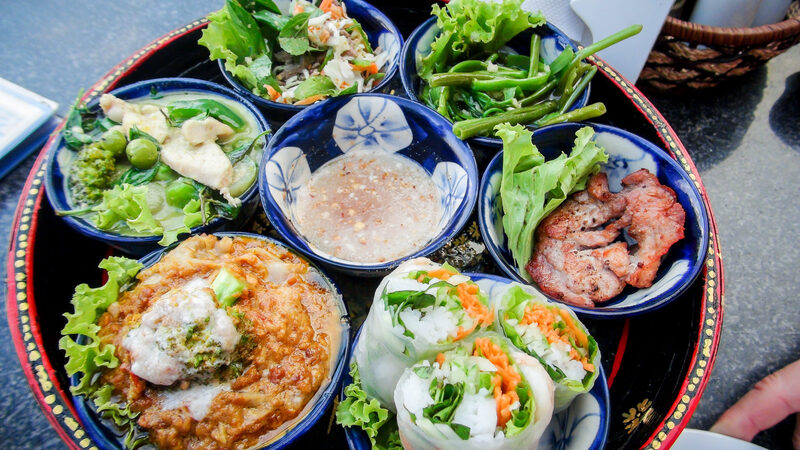
Basic Dishes in a Cambodian Family Meal
Rice is an indispensable component of any Cambodian meal. A typical home-cooked dinner includes a large bowl of white rice for each person, accompanied by various dishes such as curry, stir-fries, and soup. A distinctive spice blend called kroeung, made from lemongrass, galangal, and kaffir lime leaves, forms the flavor base of many Cambodian stir-fries and soups.
Prahok, a fermented fish paste, adds an unforgettable, rich flavor to dishes. Freshwater fish from the Mekong River and Tonle Sap Lake are a staple food in Cambodian cuisine, often dried and made into prahok, or cooked into a traditional steamed fish curry called amok.
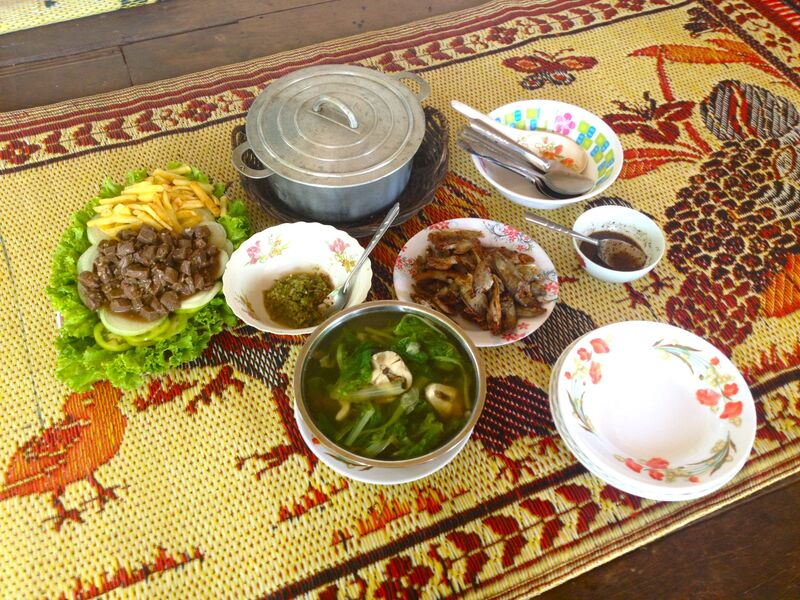
Must-Try Cambodian Specialties
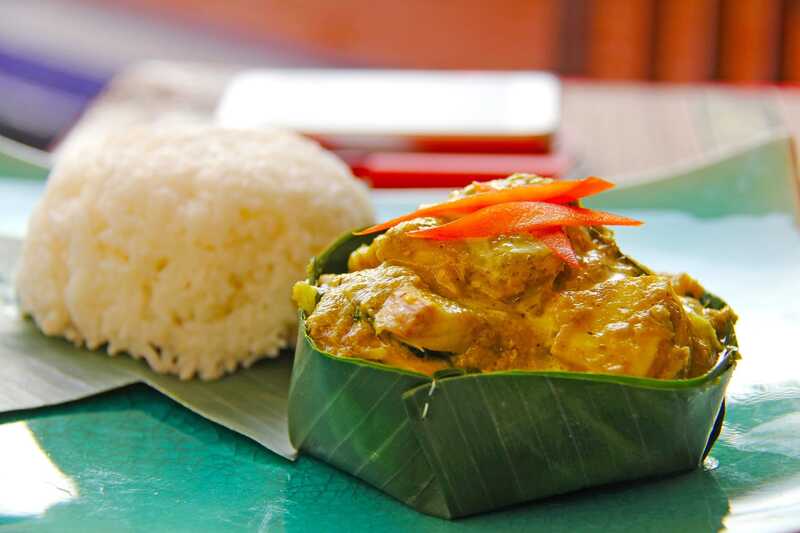
Amok (Coconut Fish Curry)
When talking about Cambodian cuisine, amok is a must-mention. Amok trey is the national dish of Cambodia, a fragrant and spicy coconut fish curry steamed until tender in banana leaves. This gives the dish a mousse-like texture, almost melting in your mouth. A mixed spice blend called kroeung is also added to enhance the flavor. Chicken, tofu, and snails can be used as substitutes for fish.
Kuy teav (Rice Noodles)
Kuy teav is a traditional Cambodian dish popular for breakfast, often bought from street vendors. It’s typically made with rice noodles and beef or pork bones. The broth is seasoned with fried shallots, green onions, garlic, and bean sprouts. Meatballs of pork or beef are then added just before diners enjoy this authentic Cambodian dish.
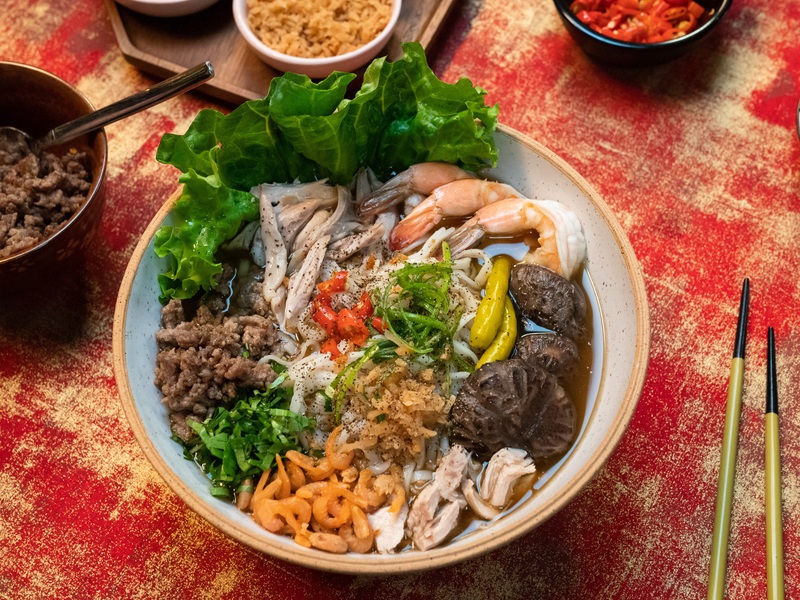
Num banh chok (Khmer Noodles)
Num banh chok is a Cambodian noodle dish often enjoyed for breakfast or as an afternoon snack. The fermented rice noodles, handcrafted in a stone or wooden mortar, are soaked in a sauce made with lemongrass, kaffir lime leaves, galangal, turmeric, and freshwater fish, then simmered for hours in coconut milk. The chef then tops this Cambodian specialty with fresh vegetables such as banana blossoms, cucumber, water lily stems, and fresh herbs like mint and basil.
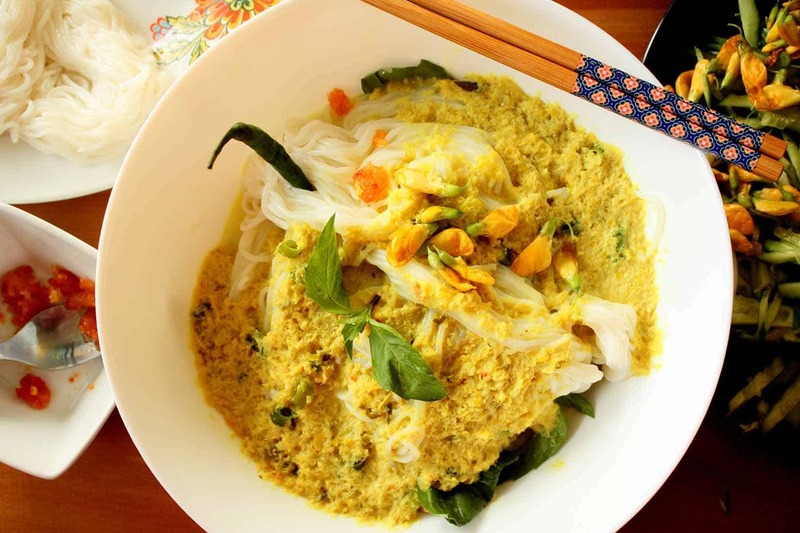
Samlar machu (Sweet and Sour Fish Soup)
The traditional Cambodian dish samlar machu is made from meat, fish, or seafood and vegetables cooked in a sour broth. Seasonal vegetables used may include water spinach, chives, green onions, tomatoes, kaffir lime leaves, spicy basil, coriander, and lemongrass. Other key ingredients include fermented fish paste called prahok and spice paste, kroeung, while the souring agents are usually krasaing seeds, tamarind, or kaffir lime juice.
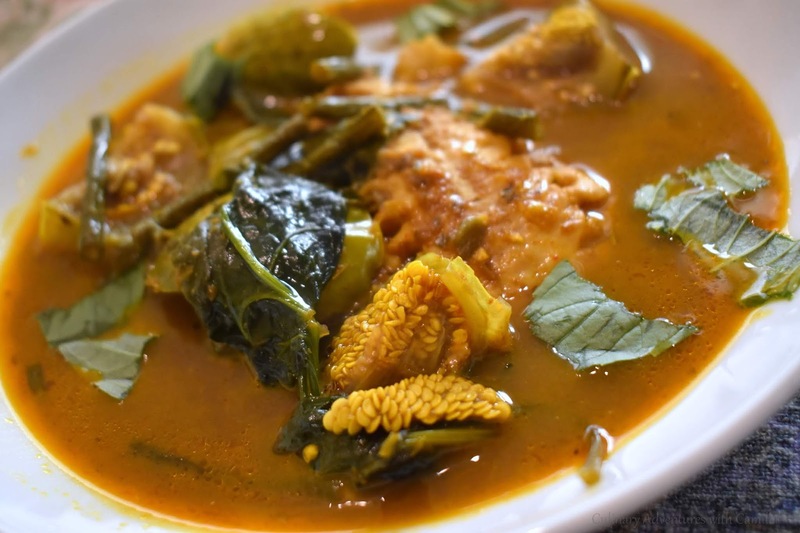
Kampot Pepper Crab
Tourists visiting Kampot, Cambodia, absolutely cannot miss the famous Kampot pepper crab. Whole fresh crabs are fried in a garlic sauce and topped with the renowned Kampot green peppercorns. The sweet crab meat is perfectly combined with the spicy and crunchy peppercorns, creating a delicious and unique Cambodian culinary experience.
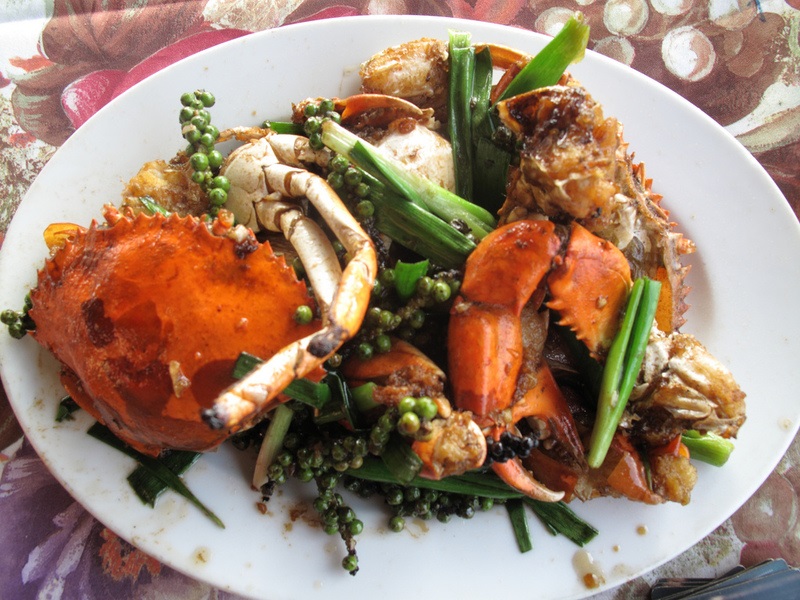
Char Kroeung Sach Ko (Beef/Chicken Stir-fry with Lemongrass)
When talking about Cambodian cuisine, popular throughout the country, one cannot fail to mention Char Kroeung Sach Ko. To prepare it, beef/chicken is placed in hot oil with garlic and stir-fried until the beef is tender. Next, the chef adds various vegetables such as red bell peppers and onions, along with the kroeung mixture.
Twa ko (Cambodian sausage)
A must-try Cambodian street food is twa ko, a Cambodian sausage made from beef or pork and various spices. Like any other delicious homemade sausage, authentic Khmer sausage contains at least 20-25% fat. Some people also prefer pork belly as the main ingredient. Diners can enjoy twa ko grilled, fried, or served with steamed rice and fresh vegetables.
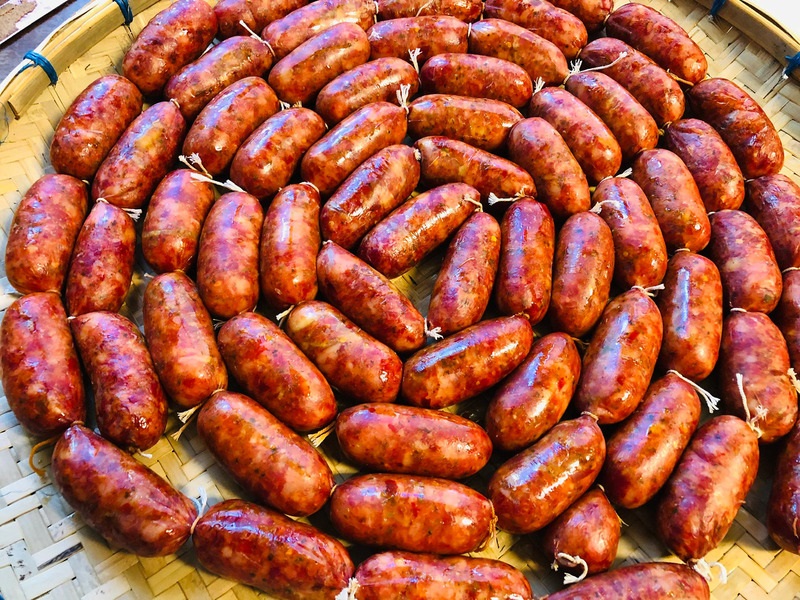
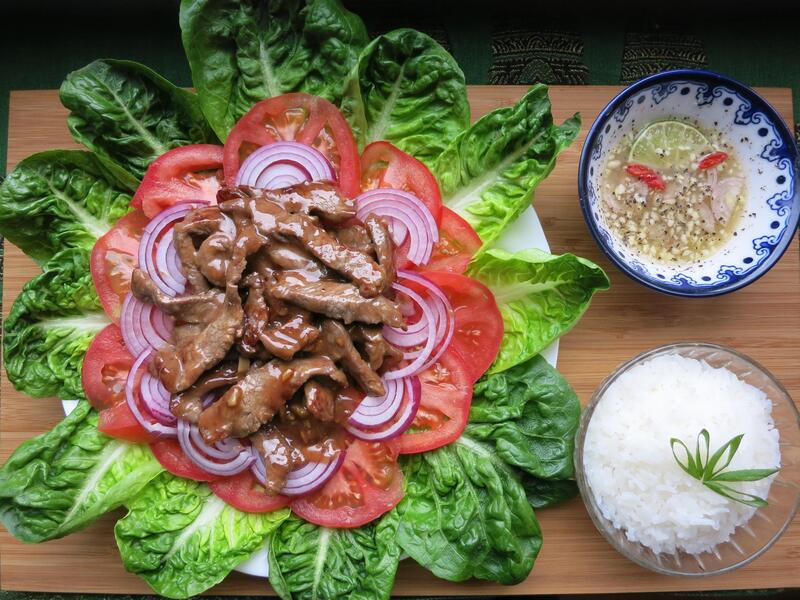
Lok Lak (Beef Stir-fry in Brown Sauce)
Lok Lak is a traditional Cambodian dish of the Khmer people. Generally, it consists of sliced beef (or pork) stir-fried in a light brown sauce, served with rice and/or green salad and pepper sauce. Most restaurants throughout the country serve this dish, but the flavor varies depending on the chef and region.
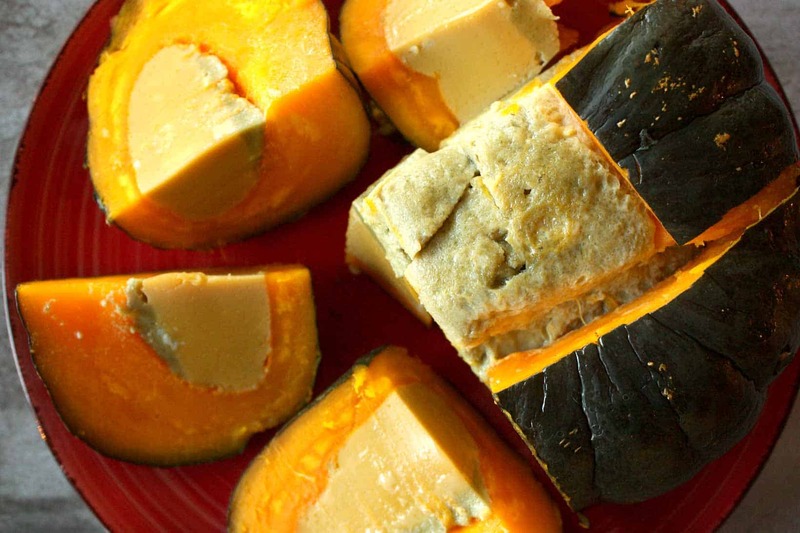
Sankhya Lapov (Pumpkin Custard)
If you’re looking for a delicious Cambodian dessert, don’t miss this pumpkin and coconut custard. This Cambodian delicacy, often served after lunch and dinner, is essentially a sweet custard filled inside a large pumpkin before being steamed. Locals often enjoy sankhya lapov on special occasions.
Yaohon (Hot Pot)
Yaohon is a Cambodian hot pot dish with a variety of vegetables, meats, and seafood. The broth is made from a mixture of coconut milk or cream, chicken broth, and coconut soda, and is usually seasoned with barbecue sauce, fish sauce, soy sauce, kaffir lime leaves, lemongrass, and palm sugar. Common vegetables in this Cambodian dish include watercress, spinach, and bok choy, while the meats and seafood commonly used are beef, chicken, shrimp, squid, oysters, and mussels.
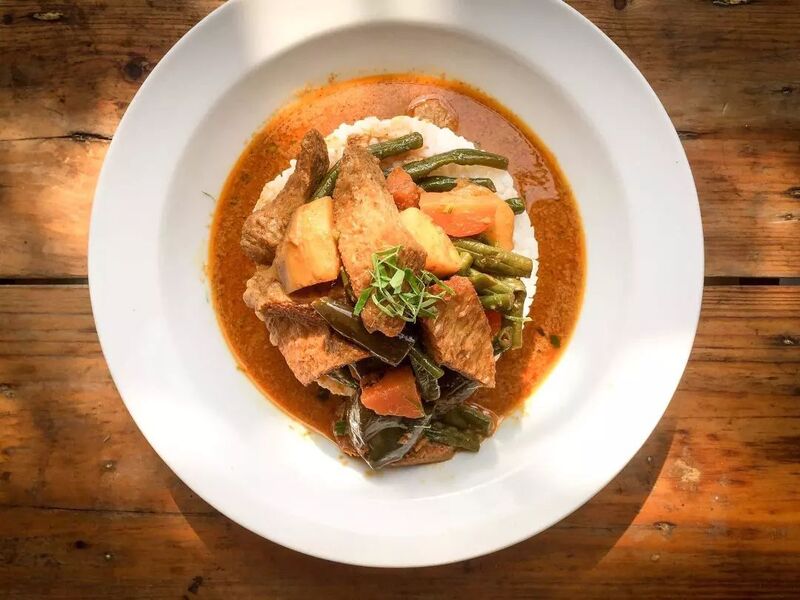
Samlar kari (Chicken Curry)
This traditional Cambodian chicken curry is made with pieces of chicken simmered in a smooth coconut milk sauce, often flavored with kroeung powder, shrimp paste, fish sauce, and palm sugar. It can be served with a variety of vegetables such as purple sweet potatoes, onions, bamboo shoots, carrots, eggplant, green beans, or spinach.
The sophistication of Cambodian cuisine deserves to be savored slowly during your exploration journey. An open mind and a hungry stomach will help you fully enjoy the rich flavors that this unique culinary tradition offers. Hopefully, the detailed travel experiences compiled by Ha Tien Vegas above will help you have a truly unforgettable trip.
#CambodianCuisine #Vietnam #Travel #Explore #VietnamTravel #KampotTravel #CambodiaTravel #Kep #SihanoukvilleTravel
If you have the chance to visit Cambodia and enjoy its cuisine, consider staying at Ha Tien Vegas right next to the Ha Tien – Kampong Trach border crossing and continuing your exploration of Ha Tien or Kampot the following day.
Book now: https://hatienvegas.com/rooms/
Hotline: (+855)0718898922 – (ខ្មែរ) (+855)069953615 – (中文) (+84)0941341545 – VN (+855)087258581 Front Office (ខ្មែរ)