
Cambodia is renowned for its ancient temples and shrines, steeped in the glorious history of the former Khmer Empire. Beyond their unique architectural value, these temples in Cambodia also preserve the spiritual life, beliefs, and distinctive cultural identity of the local people. From magnificent structures like Angkor Wat and Angkor Thom to lesser-known ancient temples, each site holds a captivating historical story. In this article, let’s explore with Ha Tien Vegas the top 10 most famous temples in Cambodia – destinations you should visit at least once in your lifetime when traveling to the land of temples.
Takeo Temple
Ta Keo is an unfinished temple dedicated to the god Shiva. It was built by King Jayavarman V, son of Rajendravarman, when he was 17 years old. However, the temple was never completed due to the king’s death. Legend says the temple was struck by lightning during construction, and all work stopped once the main structures were finished. Takeo Temple is the only unfinished temple in the Angkor Thom citadel. Ta Keo is built from green sandstone, a stark contrast to the dark brown or gray colors of other temples in Angkor.
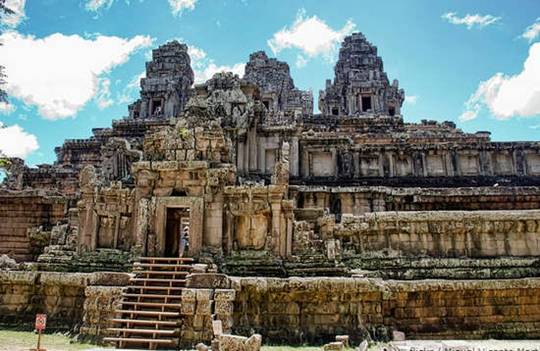
Banteay Kdei Temple
Banteay Kdei, also known as the “City of the Monks’ Cells,” is a Buddhist temple in Angkor. It is located southeast of Ta Prohm and east of Angkor Thom. Built in the mid-to-early 13th century during the reign of King Jayavarman VII, this Buddhist monastery complex is now in ruins due to faulty construction and the poor quality of the sandstone used in its buildings, and is currently being renovated. Banteay Kdei was occupied by monks at various times over the centuries until 1960. Nestled within the ruins of Banteay Kdei, the intricate carvings have attracted considerable attention. They possess a subtle, refined charm, and are far from ordinary. This was once a place of worship for people.
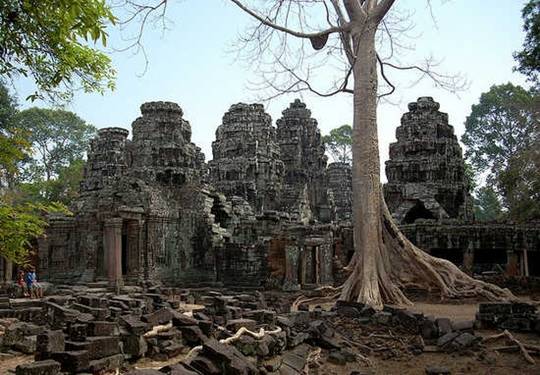
Pre Rup Temple
With its three central towers, Pre Rup resembles a miniature Angkor Wat. It is the second temple built after the capital was moved back to Angkor from Koh Ker following a period of political upheaval. Pre Rup is made of gray sandstone, less durable than the pink sandstone used in some other temples in Angkor. After centuries of abandonment, the intricate carvings on the temple have deteriorated due to rain and erosion. The temple was used as a cremation site for the royal family.
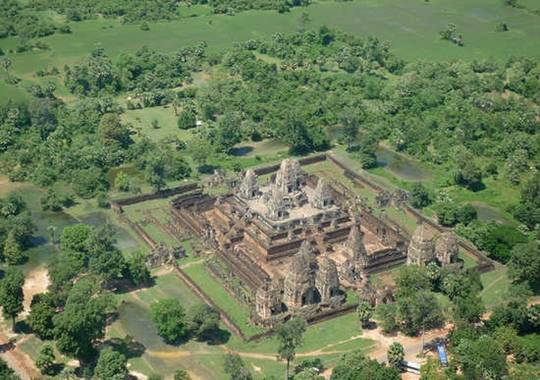
Preah Khan Temple
Preah Khan Temple is one of the largest complexes in Angkor. Like the nearby temples, Preah Khan has undergone significant restoration. King Jayavarman VII commissioned Preah Khan to serve as his temporary residence while Angkor Thom was under construction. There are four ceremonial pathways leading to the temple’s entrances. The eastern entrance is dedicated to Mahayana Buddhism with equally sized doorways. The other main entrance is dedicated to the gods Shiva, Vishnu, and Brahma with a smaller doorway, emphasizing the unequal nature of Hinduism.
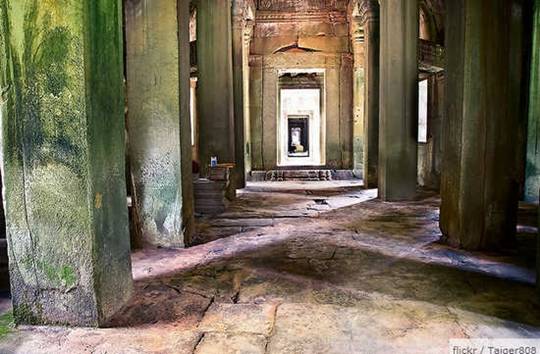
Phnom Bakheng Temple
Phnom Bakheng is a Hindu temple in the form of a mountain temple. Built in the late 9th century, Phnom Bakheng was the architectural center of a new capital during the reign of King Yasovarman. The temple faces east and is built in a six-tiered pyramid. Upon completion, Phnom Bakheng had 108 smaller stupas surrounding the temple at ground level and on the tiers. Situated atop a hill, Phnom Bakheng is a very popular tourist spot for its stunning sunsets.
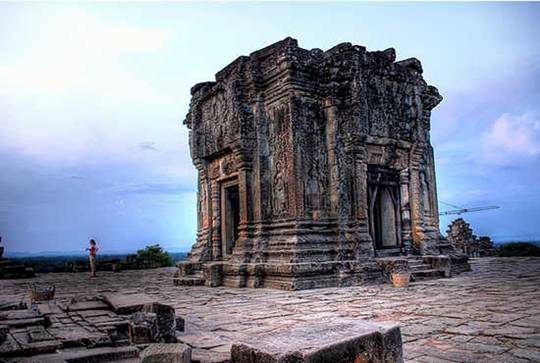
Banteay Srei Temple
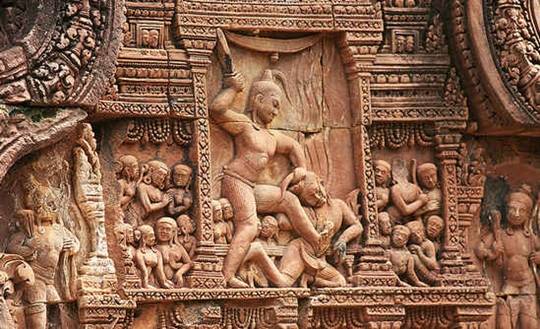
Located quite far from the main temples, Banteay Srei is one of the smallest temples in Angkor. However, it is incredibly attractive to visitors with its beautiful carvings, and is considered a jewel of Khmer art. Built of smooth pink sandstone, the temple walls are elaborately decorated with floral motifs and scenes from the Ramayana epic.
Angkor Thom Temple
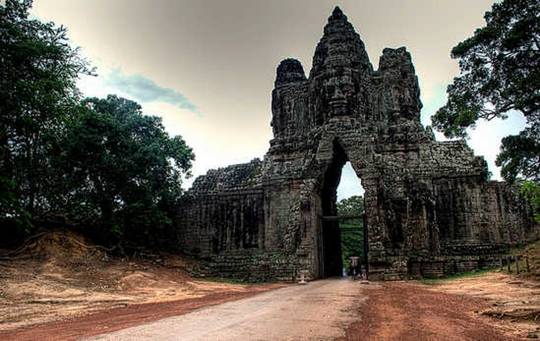
As the last and longest-lasting capital of the Khmer Empire, Angkor Thom means “Great City.” Angkor Thom was built by King Jayavarman VII in the late 12th century. Spanning an area of 9 km², Angkor Thom contains numerous temples from earlier periods as well as those built by Jayavarman and his successors. At the center of the city is Jayavarman’s national temple, Bayon, with other monuments clustered around the Victory Square.
Ta Prohm Temple
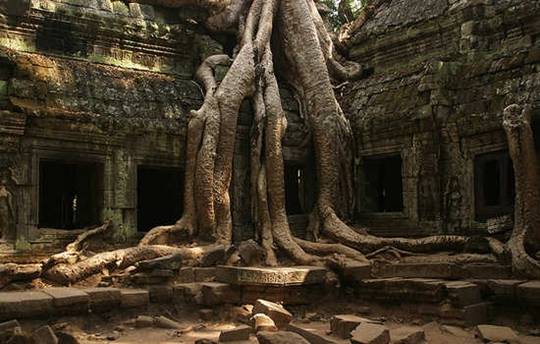
Built in 1186, Ta Prohm is a Buddhist temple dedicated to the mother of King Jayavarman VII. It is one of the few temples in Angkor with evidence providing information about its inhabitants. The temple was home to over 12,500 people, including 18 priests and 80,000 Khmer people living in surrounding villages, who were required to reside there to maintain the temple. Inscriptions also note that the temple contained gold, pearls, and silk. After the collapse of the Khmer Empire in the 15th century, the temple was abandoned and swallowed up by the tropical rainforest.
Bayon Temple
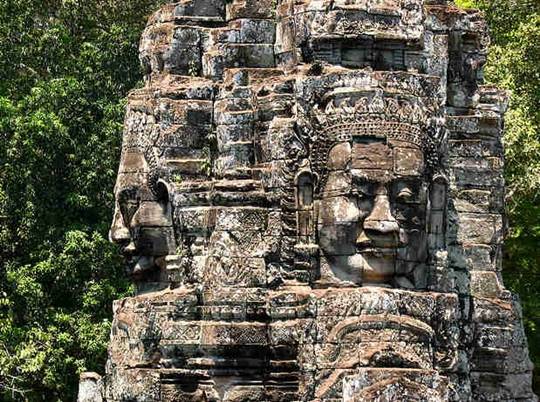
Bayon Temple was built in the 12th century by King Jayavarman VII as part of the expansion of the capital Angkor Thom. Bayon was built in the center of the royal city. Bayon is also the only national temple in Angkor built primarily for Mahayana Buddhism, dedicated to the Buddha. After the death of King Jayavarman, Bayon was renovated by Hinduism. It is the most impressive temple in the Angkor complex due to its grandeur and the mystical spiritual feelings evoked when contemplating it.
Angkor Wat
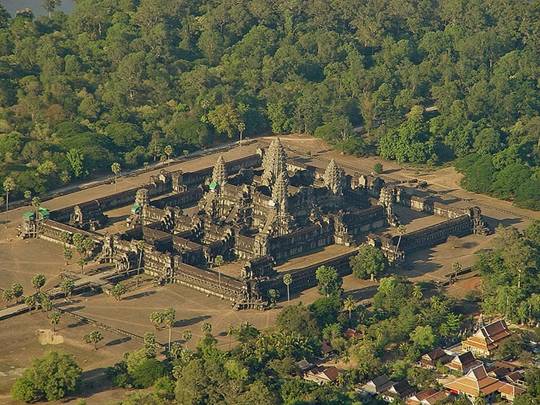
Angkor Wat is the most beautiful and largest of all the temples in Angkor. Situated on a vast area of nearly 200 hectares, surrounded by a huge, rectangular reservoir, this arrangement reflects the ideas of traditional Khmer pagodas. Built during the reign of King Suryavarman II in the first half of the 12th century, Angkor Wat is the pinnacle of Khmer architecture.The temple is famous for its bas-reliefs surrounding the shrine, depicting Hindu epics and myths of Hindu gods and immortal life. Inside the temple, there are also many bas-reliefs carved on the temple walls. In the late 13th century, Angkor Wat gradually transformed from a Hindu temple to a Mahayana temple. Unlike other temples in Angkor, which were abandoned after the fall of the Khmer Empire in the 15th century, Angkor Wat has survived as a Buddhist temple.
Cambodia’s famous temples are not only ancient architectural structures but also symbols of the history, culture, and spiritual life of the Khmer people. Each temple possesses its own unique beauty, contributing to the special appeal of Cambodian tourism. If you have the opportunity to visit the land of temples, don’t forget to visit these temples to fully appreciate their spiritual value and timeless beauty.
#Cambodia #Vietnam #Tourism #Explore #VietnamTourism #HatienTourism #CambodiaTourism
If you have the opportunity to travel to Cambodia and visit Kampot, you can spend the night at Ha Tien Vegas, right next to the Ha Tien – Kampong Trach border crossing, and continue your exploration of Ha Tien or Kampot the next day.
Book now: https://hatienvegas.com/rooms/
Hotline: (+855)0718898922 – (ខ្មែរ) (+855)069953615 – (中文) (+84)0941341545 – VN (+855)087258581 Front Office (ខ្មែរ)